
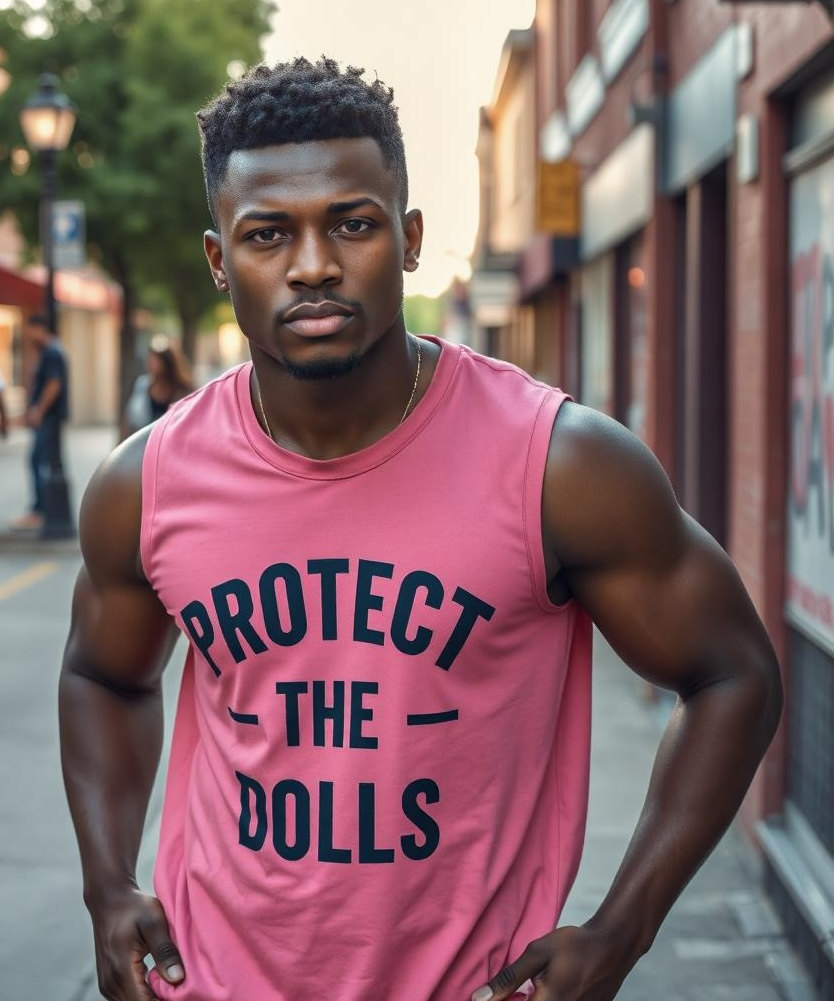
Protect the Dolls: A Trans Day of Remembrance Reflection on Community Care and Collective Responsibility
Today, on Trans Day of Remembrance, we gather not just to mourn but to recommit. As we read the names of those stolen from us by violence, we must also speak the truth about what real protection looks like—and what it demands from all of us.
“Protect the Dolls” isn’t just a rallying cry; it’s a sacred responsibility. In our community, “dolls” has become a term of endearment, particularly for trans women and femmes who face the sharpest edge of society’s violence. When we say “protect the dolls,” we’re acknowledging that trans women—especially Black trans women and trans women of colour—bear disproportionate violence while often being excluded from the very spaces claiming to represent them.
Trans Day of Remembrance began in 1999 to honour Rita Hester, a Black trans woman murdered in Massachusetts. Twenty-five years later, the pattern remains horrifyingly consistent: those we memorialise are overwhelmingly trans women of colour, killed not just by individual acts of hatred but by systemic abandonment. They die because healthcare systems fail them, because housing discrimination leaves them vulnerable, because employment discrimination pushes them to the margins, because law enforcement treats them as problems rather than people deserving protection.
What does it mean to truly protect the dolls? It means moving beyond performative allyship and hashtag activism. It means examining who holds power in our own organisations and asking why those most at risk are so rarely in leadership positions. It means ensuring that Pride organisations, LGBTQ+ nonprofits, and advocacy groups don’t just include trans women in their photo opportunities but centre them in decision-making, resource allocation, and strategic planning.
Protection means material support. It means direct aid that reaches those who need it without bureaucratic barriers. It means fighting for housing policies that explicitly protect trans people from discrimination. It means demanding healthcare that affirms rather than pathologises trans existence. It means creating employment pipelines that don’t require trans people to hide who they are to earn a living.
For those of us in positions of relative privilege within the LGBTQ+ community, protection means using our platforms to amplify rather than speak over trans voices. It means recognising that proximity to power—whether through whiteness, masculinity, wealth, or cisgender status—comes with an obligation to redistribute that power. It means understanding that every corporate sponsor we court, every political compromise we make, every decision to prioritise “respectability” over radical inclusion has life-or-death consequences for the most marginalised among us.
Trans Day of Remembrance reminds us that remembering isn’t passive. The Hebrew phrase “zichrono livracha”—may their memory be a blessing—implies that memory itself should inspire blessed action. When we read each name today, we’re not just acknowledging a loss; we’re accepting a mandate to prevent future losses.
This means confronting uncomfortable truths about our own communities. Why do so many Pride organisations still treat trans inclusion as an afterthought? Why do funding streams for LGBTQ+ causes so rarely reach grassroots trans-led organisations? Why do we allow “debate” about trans humanity to continue as if our siblings’ existence is a theoretical question rather than lived reality?
Protecting the dolls means refusing to let trans people stand alone against the rising tide of legislative violence. It means showing up at school board meetings, legislative hearings, and protests—not as saviours but as accomplices. It means understanding that attacks on drag performers, restrictions on gender-affirming care, and bathroom bills aren’t separate from the physical violence we memorialise today; they’re part of the same continuum of dehumanisation that makes murder possible.
As someone who has fought for authentic representation within Pride leadership, I’ve seen how easily organisations can slide into tokenism—appointing trans board members while maintaining systems that exclude trans voices from real power. Protection requires structural change, not cosmetic diversity. It means examining every policy, every budget line, every programming decision through the lens of: does this make our most vulnerable community members safer?
This Trans Day of Remembrance, Capital Pride London commits to speaking not just the names of those we’ve lost, but to actively protecting and uplifting the living who need our support now. We pledge to centre trans voices in everything we do—not as an afterthought, but as the heart of our mission where every story truly is celebrated.
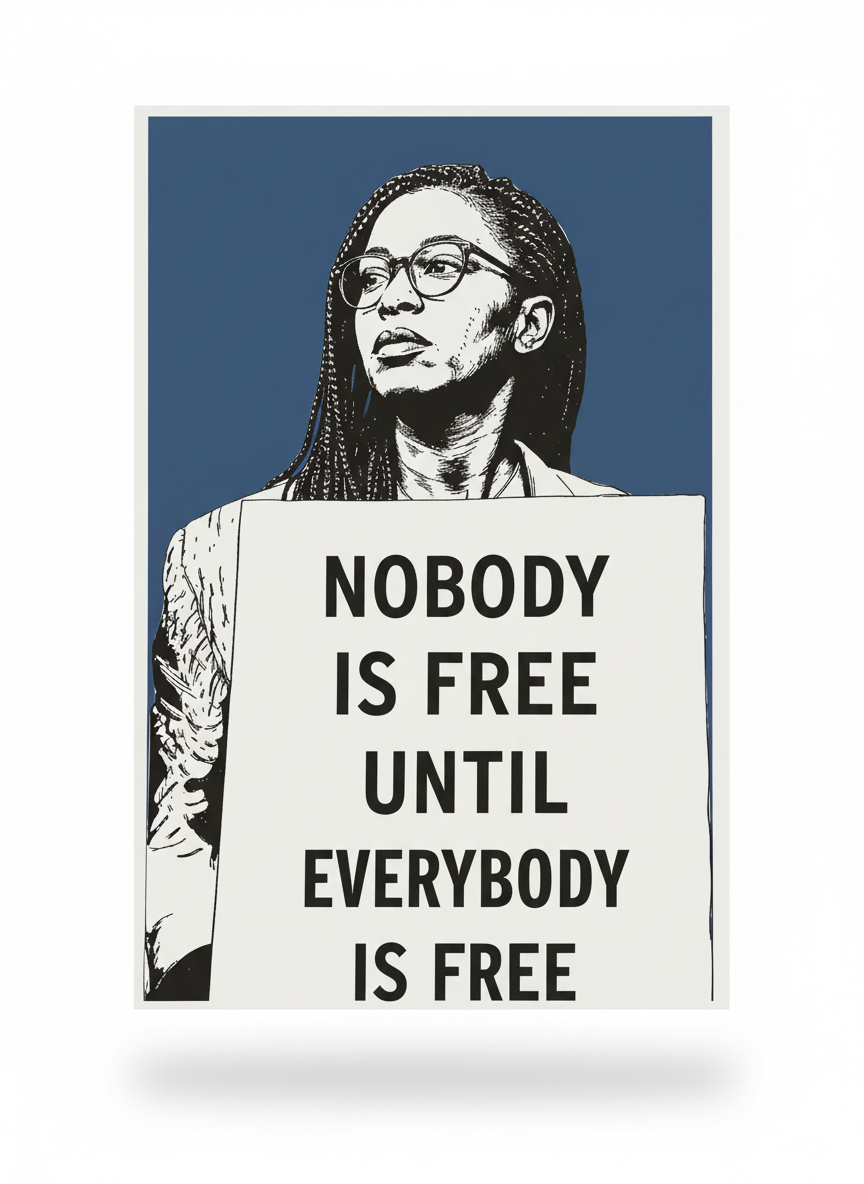
Let’s move beyond grief to action, beyond awareness to material change. Let’s understand that protecting the dolls isn’t charity—it’s justice. It’s recognising that none of us are free until all of us are free, that our liberation is interconnected, and that the measure of our movement’s success isn’t in our proximity to power but in how we protect those furthest from it.
The dolls don’t need our tears. They need our action. They need resources, representation, and revolution. They need us to understand that protection isn’t a gesture—it’s a practice that requires daily commitment, uncomfortable confrontations, and unwavering solidarity.
Today we remember. Tomorrow we protect. And every day after, we fight like trans lives depend on it—because they do.
 English