
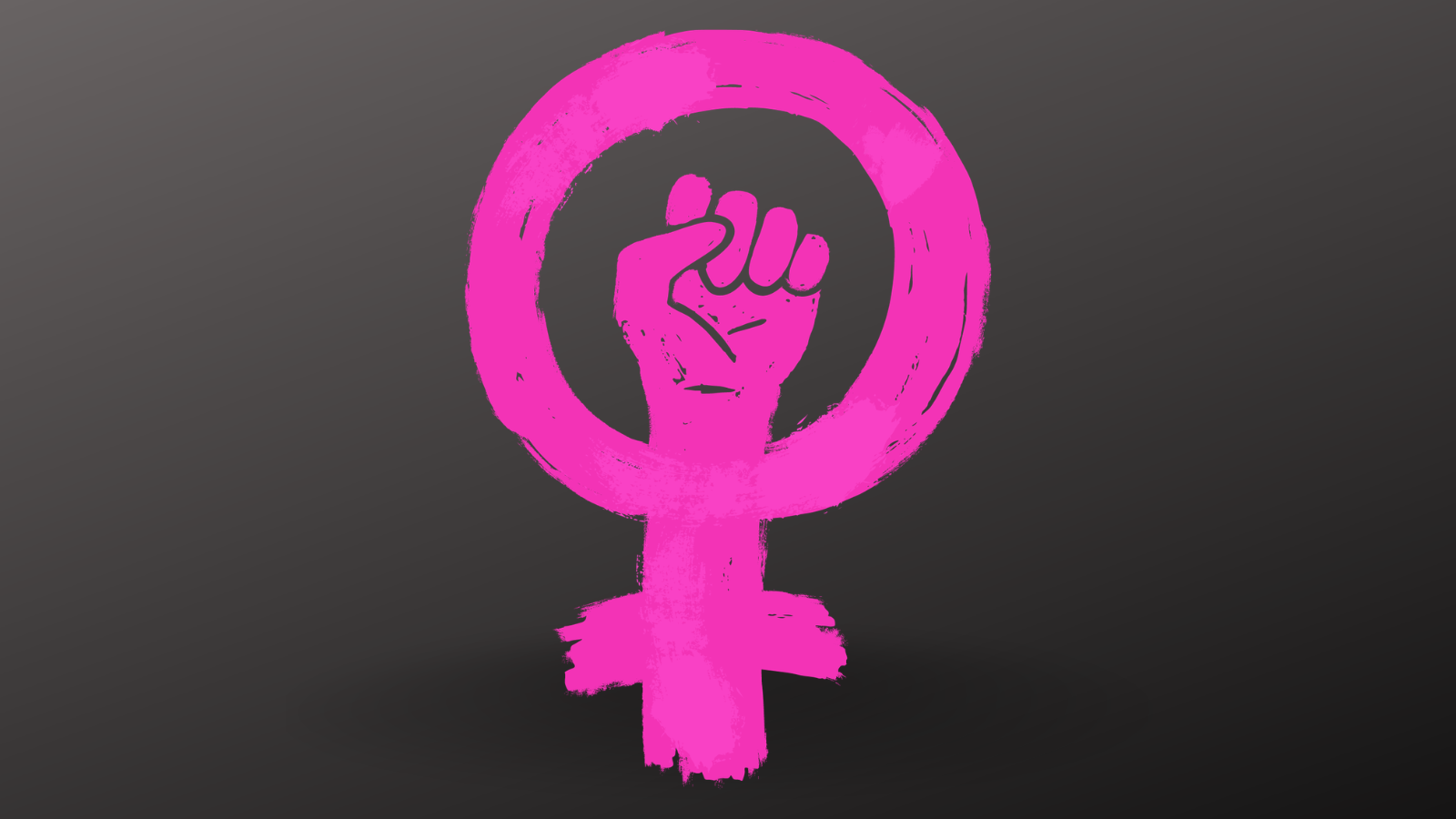
What Will You Give So Women Can Gain?
The theme for International Women’s Day 2026 — “Give To Gain” — asks something deceptively simple: What are we willing to give so that women can truly gain equality?
It is a powerful idea because it recognises a truth many women already understand: progress does not happen because it is promised. It happens because people choose to invest in it.
Giving is often framed as generosity, but for women’s equality it is better understood as redistribution of opportunity, visibility, safety, and power. When those things are given intentionally, the gains are not symbolic — they reshape systems.
But the reality women face today makes that giving more urgent than ever.
Across the world, women continue to confront rising hostility online, persistent violence, and political movements that question long-fought rights. Economic inequality remains stark. Women still carry the overwhelming burden of unpaid care. Women of colour, migrant women, disabled women and trans women face overlapping barriers that make equality even harder to reach.
Even in societies that consider themselves progressive, the gap between rhetoric and lived experience remains wide.
The global activist Gloria Steinem once said:
“The story of women’s struggle for equality belongs to no single feminist, nor to any one organisation, but to the collective efforts of all who care about human rights.”
Her words remain strikingly relevant today. Equality has never been achieved by a single institution or a single generation. It has always required collective effort — and collective courage.
For many women, that courage shows up in ordinary but profound ways.
A woman mentoring another woman despite her own limited time.
A trans woman insisting on visibility in spaces that would rather ignore her.
A community organiser fighting for funding to protect women experiencing violence.
A young woman speaking up in a room that has rarely listened to voices like hers.
These acts of giving — time, knowledge, advocacy, leadership — often happen quietly. But their impact compounds.
This is the deeper meaning behind Give To Gain.
When institutions give women access to decision-making spaces, organisations gain stronger leadership.
When communities give women safety and support, societies gain resilience.
When people give women visibility, the next generation gains possibility.
Equality does not grow from symbolic gestures alone. It grows when resources, power, and trust are shared intentionally.
For LGBTQIA+ communities, the conversation about women’s equality must also remain unapologetically intersectional. Lesbian, bisexual, and trans women have long been at the forefront of activism, yet they continue to face discrimination both within and outside broader movements.
Trans women in particular are navigating a moment of intense scrutiny and hostility across public discourse. Supporting them — through advocacy, protection, and solidarity — is not separate from women’s equality. It is central to it.
International Women’s Day therefore becomes more than a celebration. It becomes a moment of accountability.
A reminder that equality cannot rely on women giving endlessly of themselves while institutions give very little in return. True progress happens when responsibility is shared.
Giving must come from everywhere — governments, organisations, workplaces, communities, and individuals.
Giving resources.
Giving platforms.
Giving protection.
Giving opportunities.
Giving trust.
Because the truth at the centre of this year’s theme remains simple: when women gain equality, everyone gains a better world.
So the question that sits at the heart of International Women’s Day 2026 remains open to all of us:
What will you give so that women can gain?
 English